LOCAL PICKUP IN SACRAMENTO, CA

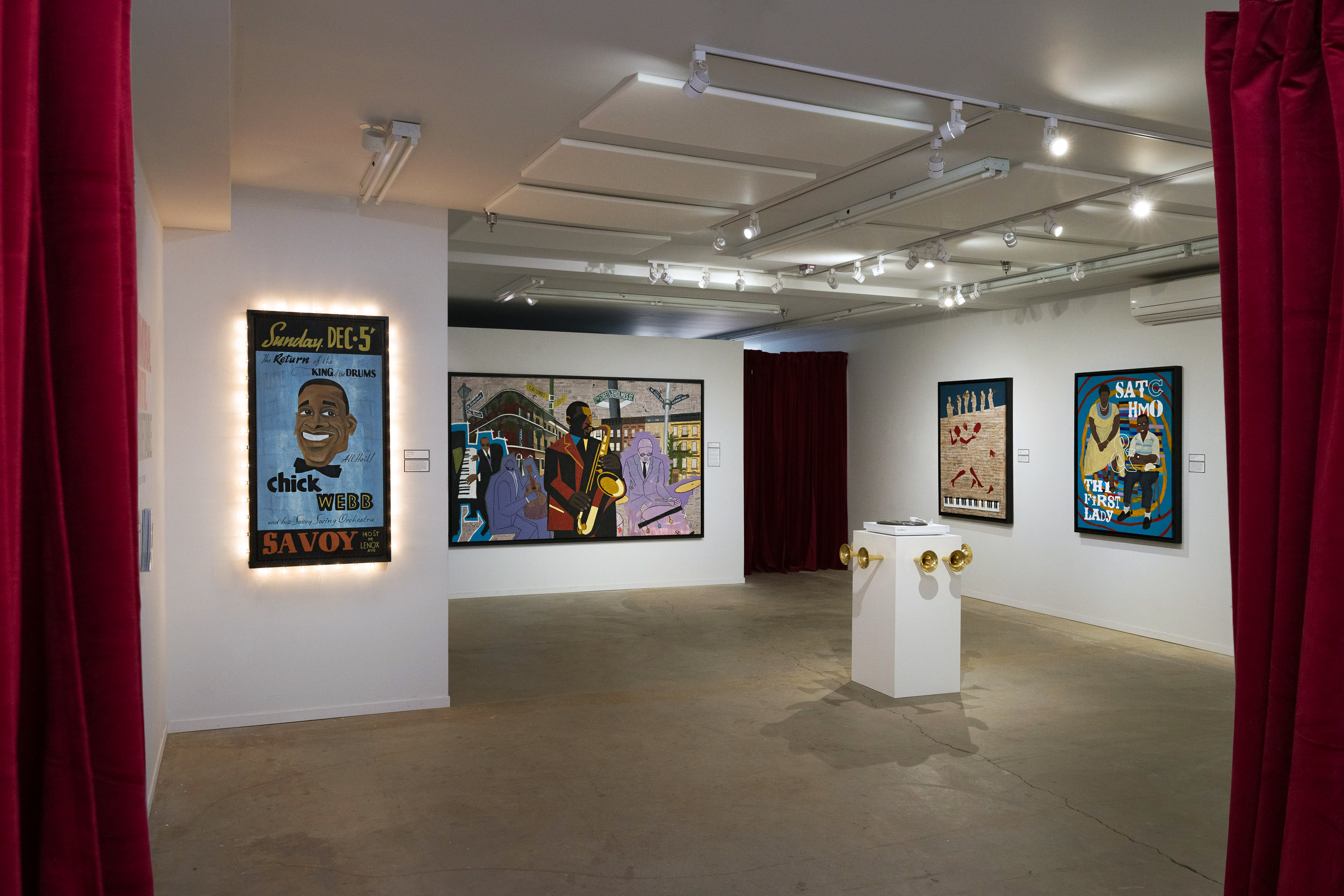
Kenneth Jordan artwork displayed in a gallery

2024–2026

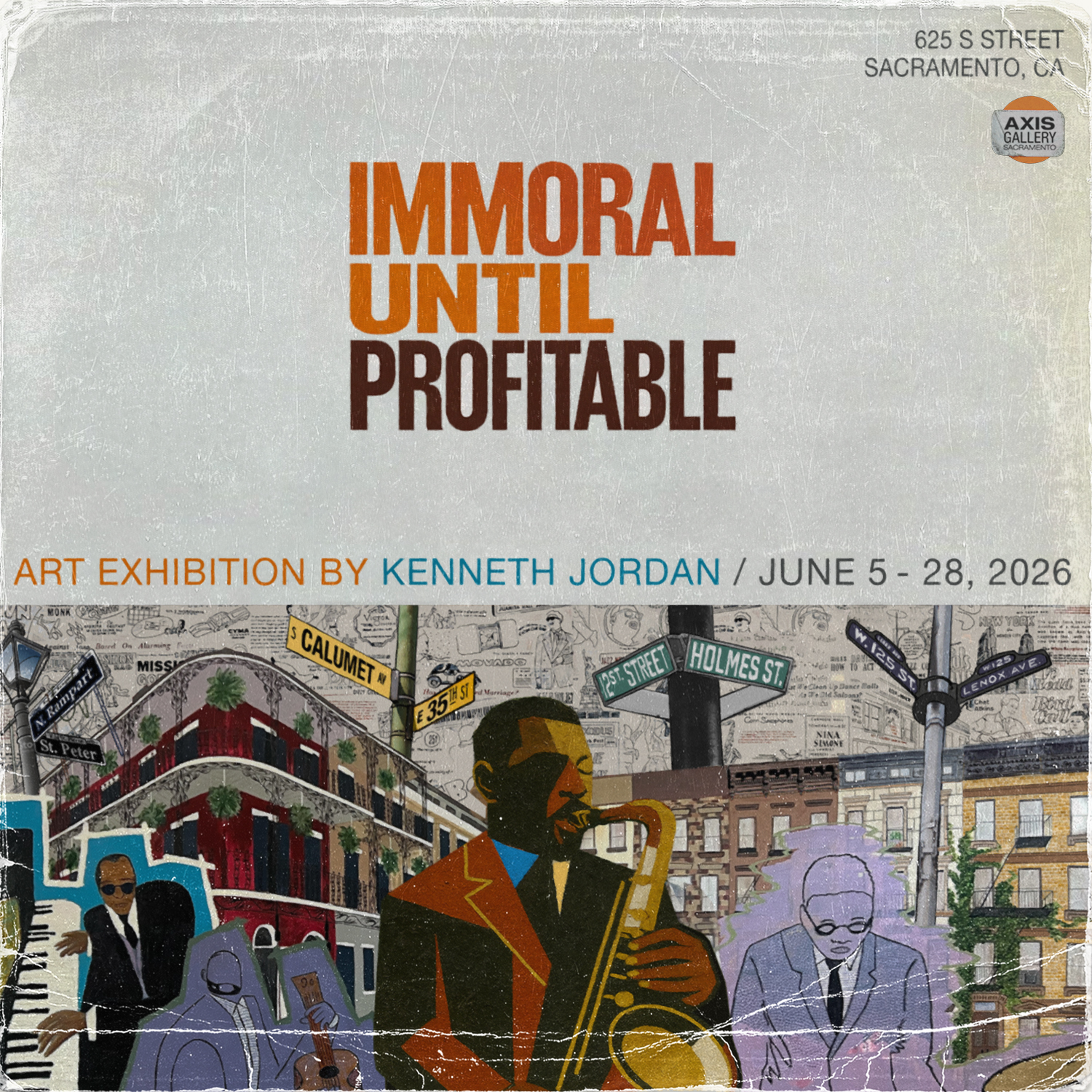
Immoral Until Profitable

Exhibition artwork detail
01 / 14

Introduction to the show

Reject. Resist. Rebrand. Monetize.

Jazz is one of America’s greatest innovations, born from creativity, collaboration, and resilience. Yet, like many art forms created by marginalized communities, it was condemned before it was celebrated.

Immoral Until Profitable examines that recurring American pattern through portraiture, text, and layered materials drawn from newspapers and public rhetoric. The show celebrates the brilliance of jazz while confronting the forces that once tried to suppress it.

Using jazz as a lens, the exhibition asks a broader question: What are we condemning today that we will eventually consume?

View at Axis Gallery

Paintings in the Show

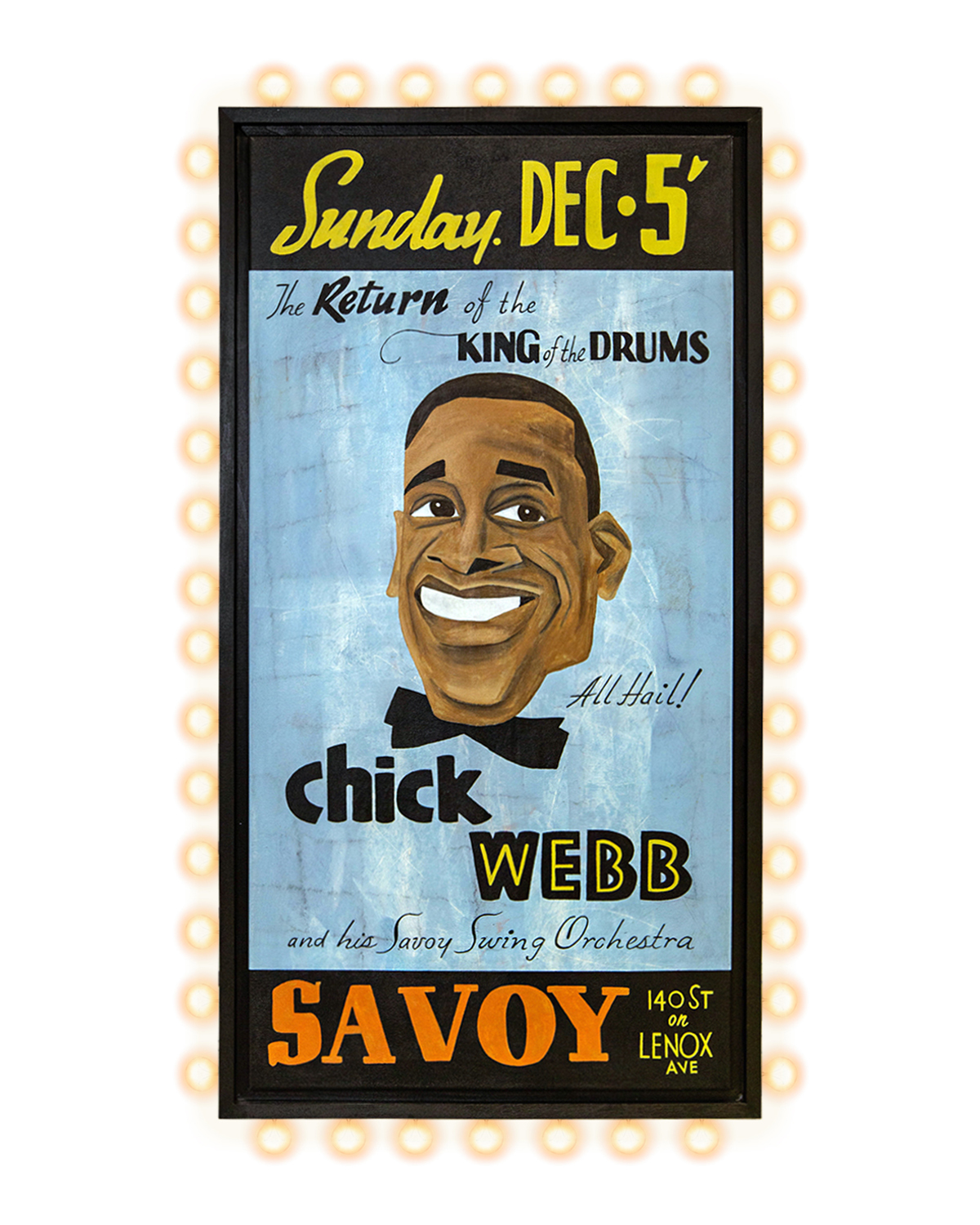
The Savoy by Kenneth Jordan

The Savoy

Chick Webb led the Savoy Ballroom’s legendary house band, helping define Jazz’s Swing Era, the rise of the Lindy Hop, and American dance culture. As one of the first major racially integrated dance halls in the United States, the Savoy became a rare space where Black and White audiences shared the same dance floor, showing how music and movement could push against the racial boundaries of the era.

View Product →
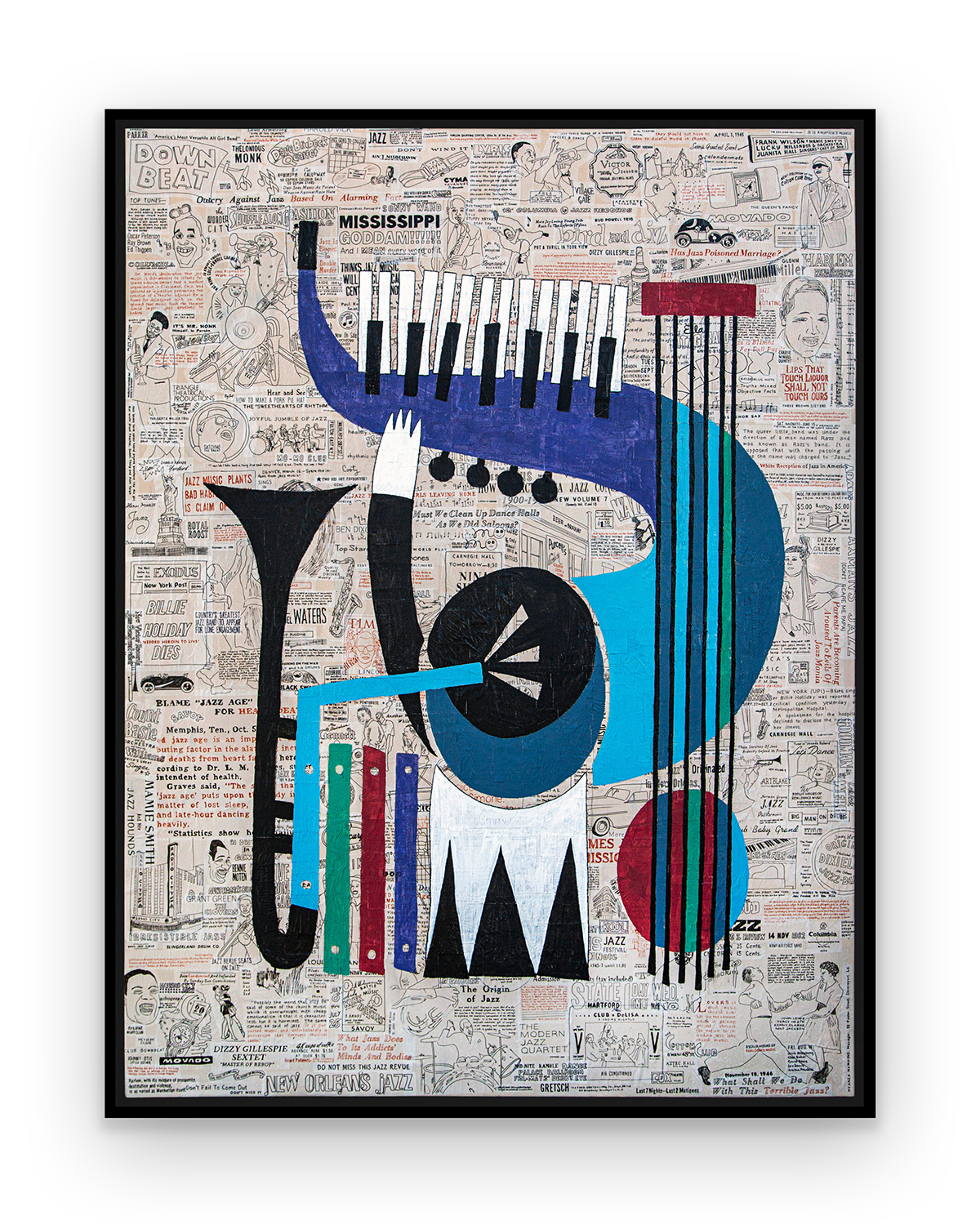
Noise, Not Music by Kenneth Jordan

Noise, Not Music

Jazz was initially met with resistance, criticized by older generations and authorities as immoral “devil’s music” because of its association with red-light districts and its unconventional sound. Many viewed early Jazz as chaotic and a threat to traditional values. Newspapers, churches, and social critics warned that the music encouraged rebellion, excess, and moral decline, while its free-flowing style and cultural roots challenged long-standing ideas about what American music and society should sound like.

View Product →
Born & Raised by Kenneth Jordan

Born & Raised

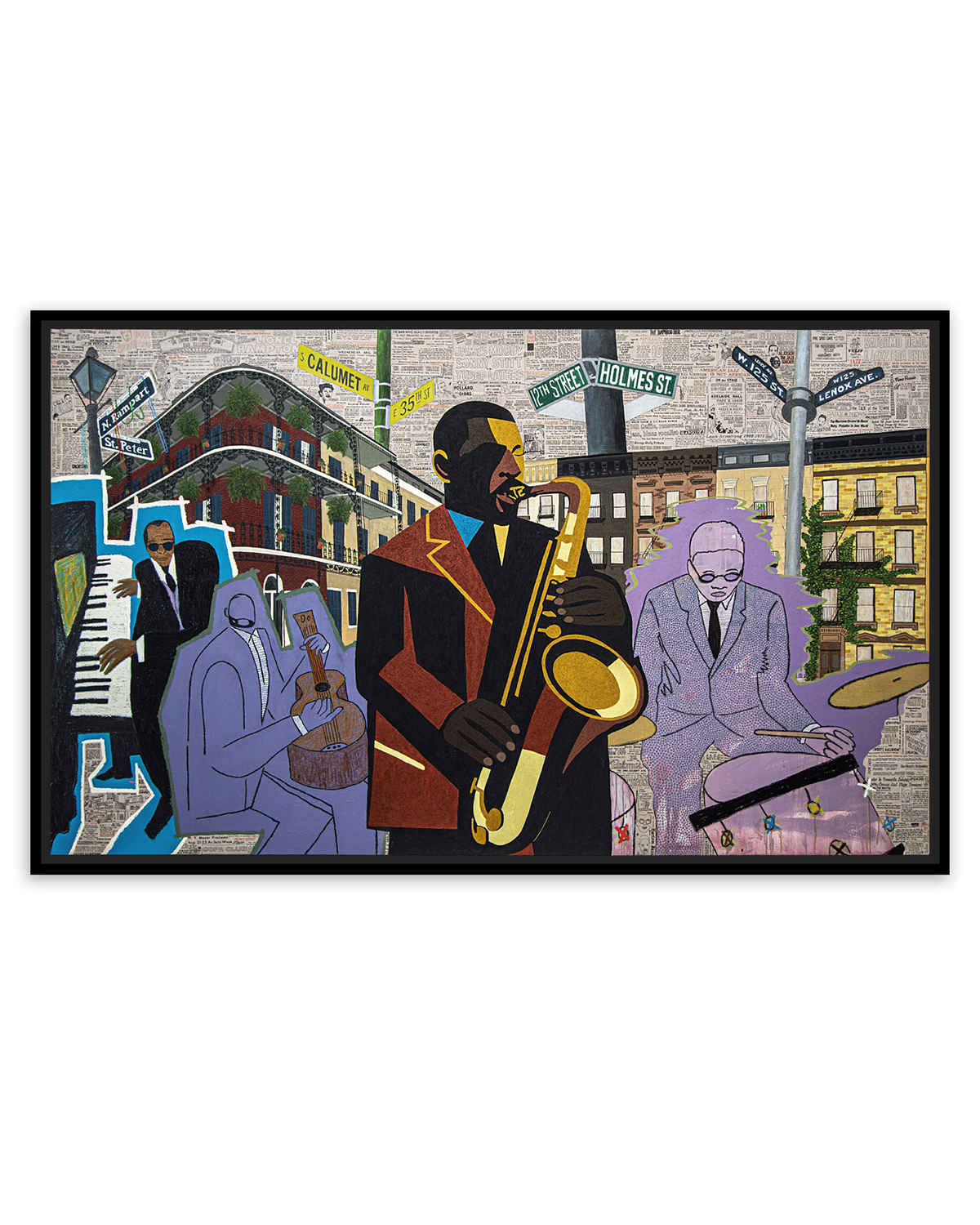
New Orleans is widely regarded as the birthplace of Jazz, where African, Caribbean, Creole, and European musical traditions merged into a new improvisational form. Chicago became a major hub for Jazz during the Great Migration, as musicians traveled north in search of new opportunities. In the city’s fast-paced urban environment, the music evolved into a sharper, more energetic, solo-driven style. Kansas City developed a new style of late-night Jazz built on swinging rhythms and extended live performances. Its culture of musical freedom encouraged longer solos and helped shape modern Jazz. New York City became the defining center of Jazz, transforming the music into a national and global art form through recordings, radio, and iconic performance venues.

View Product →
The Night Kept Swinging by Kenneth Jordan

The Night Kept Swinging

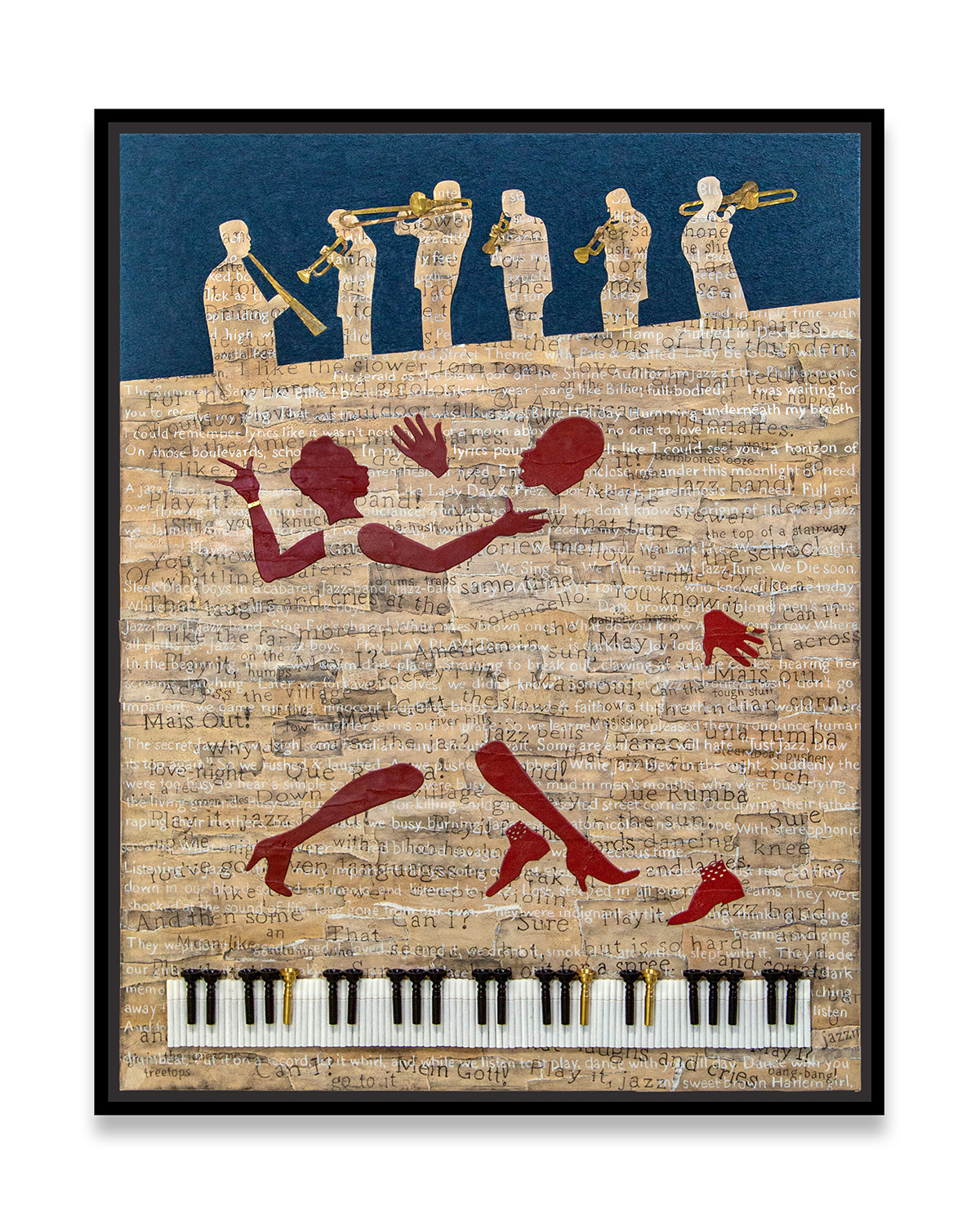
Beneath all the public outrage and cultural noise, Jazz was deeply rooted in lived experience, migration, and nightlife. Carried by performers, dancers, and audiences who embraced its freedom and expression, it spread rapidly across the country and eventually became the soundtrack of the “Roaring Twenties” and the Prohibition era.

View Product →
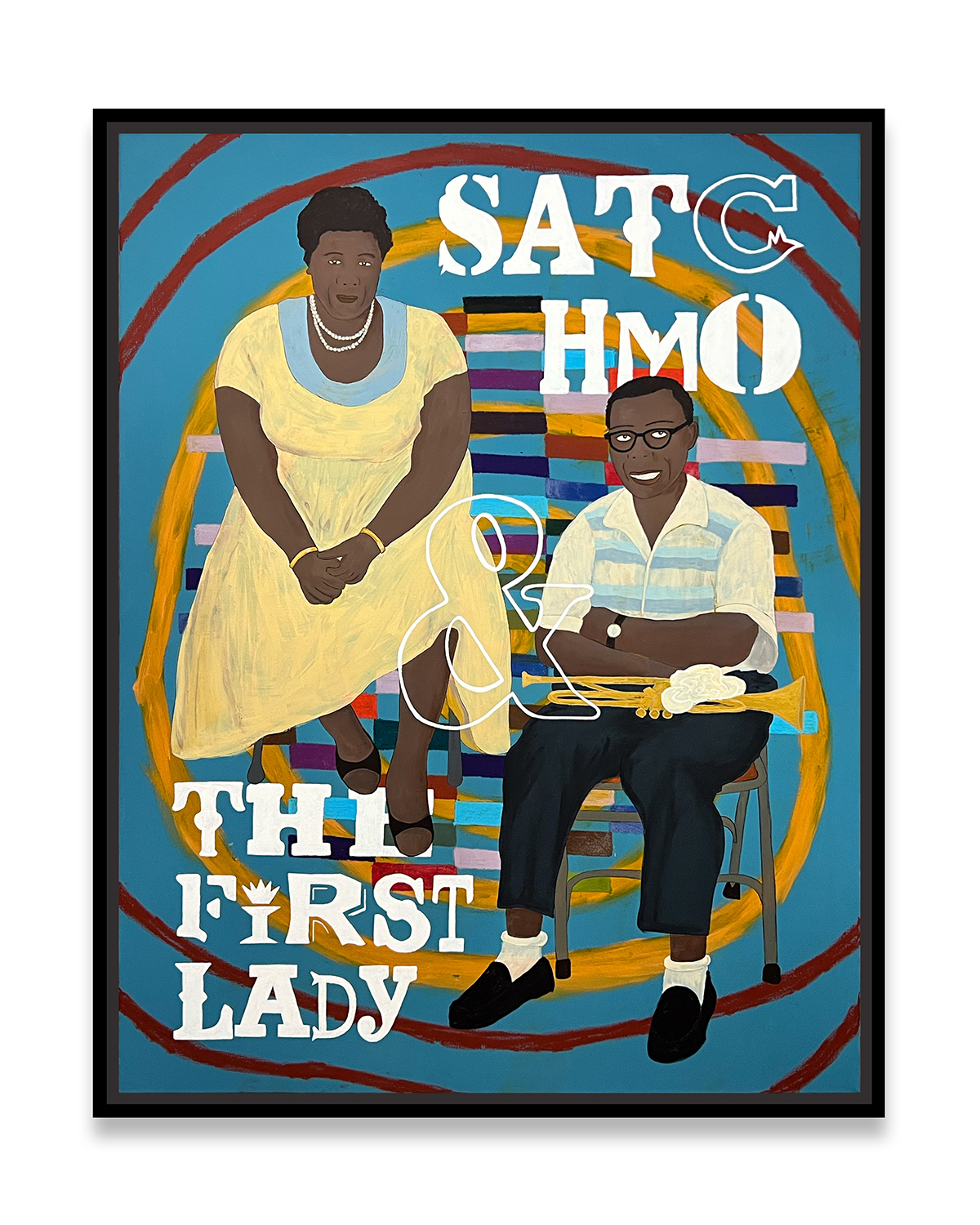
Satchmo & The First Lady by Kenneth Jordan

Satchmo & The First Lady

Louis Armstrong and Ella Fitzgerald are two of the most influential figures in Jazz history. Through his expressive trumpet playing and rhythmic phrasing, Armstrong helped establish the soloist as the center of Jazz. Fitzgerald, known as the “First Lady of Song,” transformed vocal Jazz with her innovative scat singing. Their celebrated recordings together captured the contrast and chemistry between Armstrong’s raspy vocal style and Fitzgerald’s smooth, elegant voice.

View Product →
Prohibited by Kenneth Jordan

Prohibited

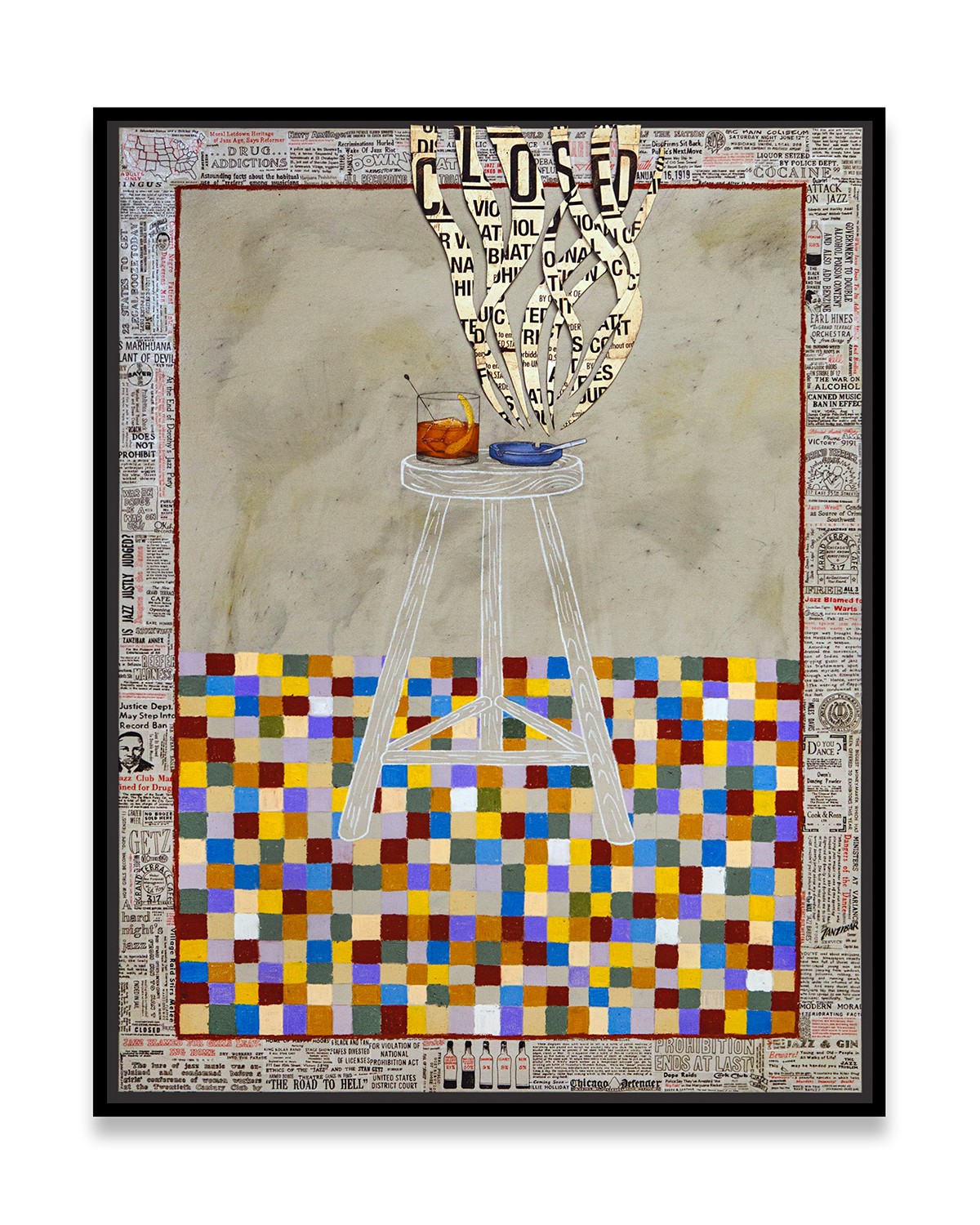
During Prohibition, police and government officials frequently used alcohol and “public morality” laws to raid and shut down Jazz clubs, particularly those connected to Black and immigrant communities. In many cities, these venues were portrayed as dangerous or disorderly spaces, reinforcing racial fears surrounding Jazz culture. While Prohibition laws applied to everyone, enforcement often fell unevenly, and minority-owned clubs were more likely to be targeted by surveillance, raids, and arrests.

View Product →
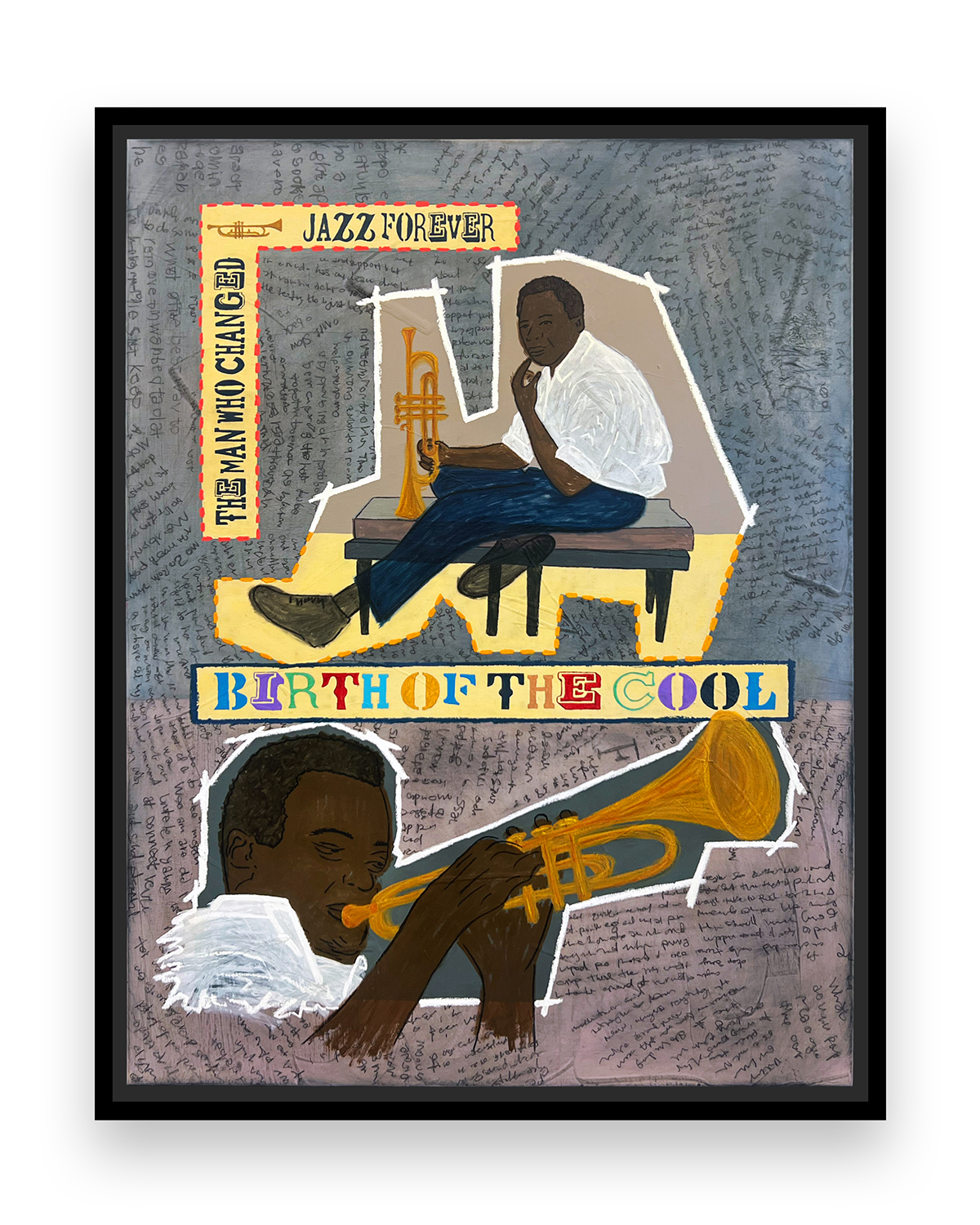
Birth of the Cool by Kenneth Jordan

Birth of the Cool

Miles Davis was one of the most important innovators in Jazz history, continually redefining what the music could sound and feel like. Across multiple decades, he helped shape new styles of Jazz through landmark albums such as Kind of Blue and Bitches Brew. Later in his career, he incorporated influences from rock, funk, and electronic music into Jazz. Davis also helped launch the careers of influential musicians like John Coltrane and Herbie Hancock, extending his impact across generations of Jazz.

View Product →
Immoral Until Profitable by Kenneth Jordan

Immoral Until Profitable

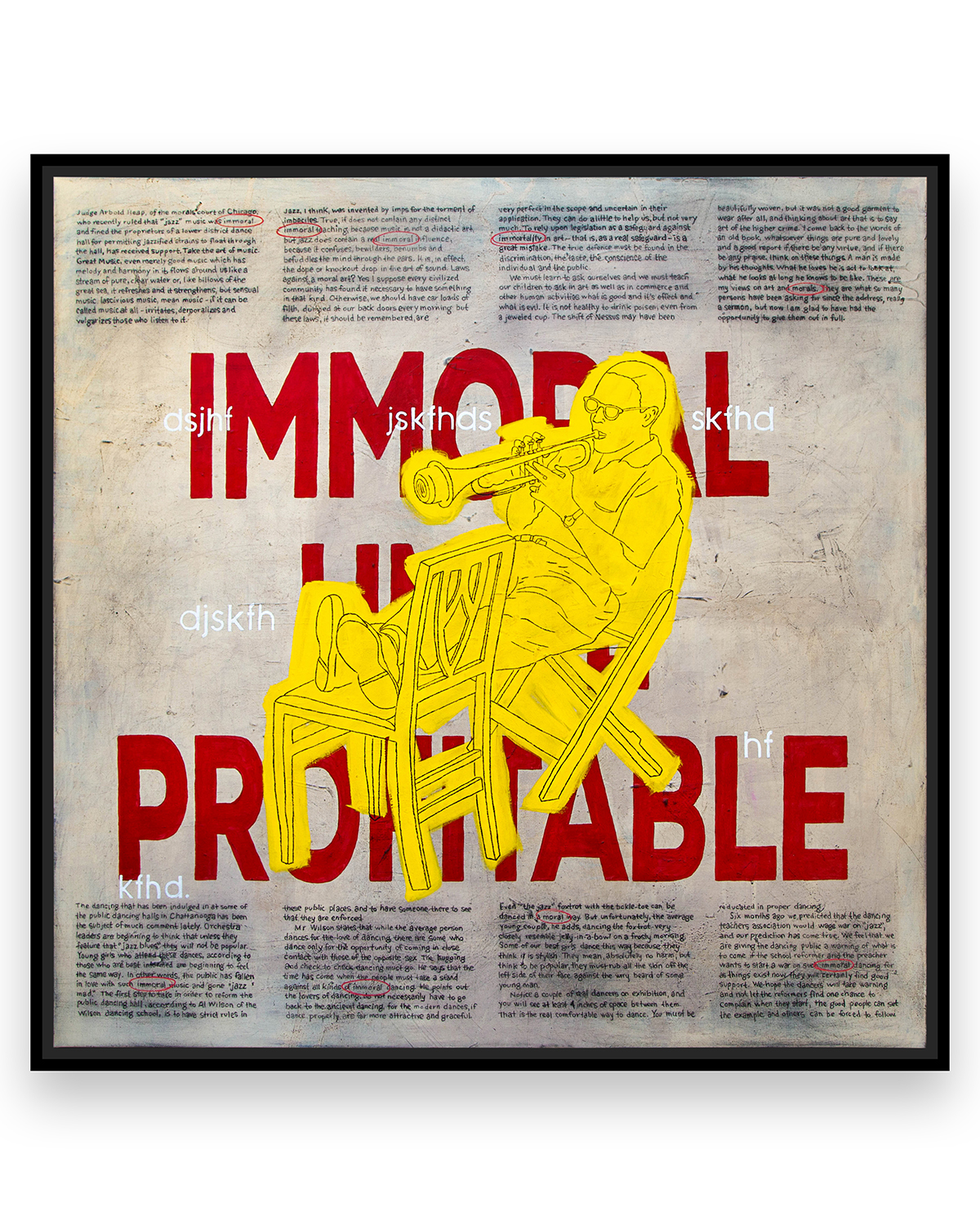
Led by religious leaders and critics, many Americans viewed Jazz as a threat to traditional ideas of “proper” music. Unlike the structured harmonies of European classical music, Jazz embraced improvisation and emotional expression, qualities critics often described as chaotic, vulgar, or morally corrupting. To many, the backlash reflected fears surrounding changing cultural values and the growing influence of African American culture.

View Product →
Yours Truly by Kenneth Jordan

Yours Truly

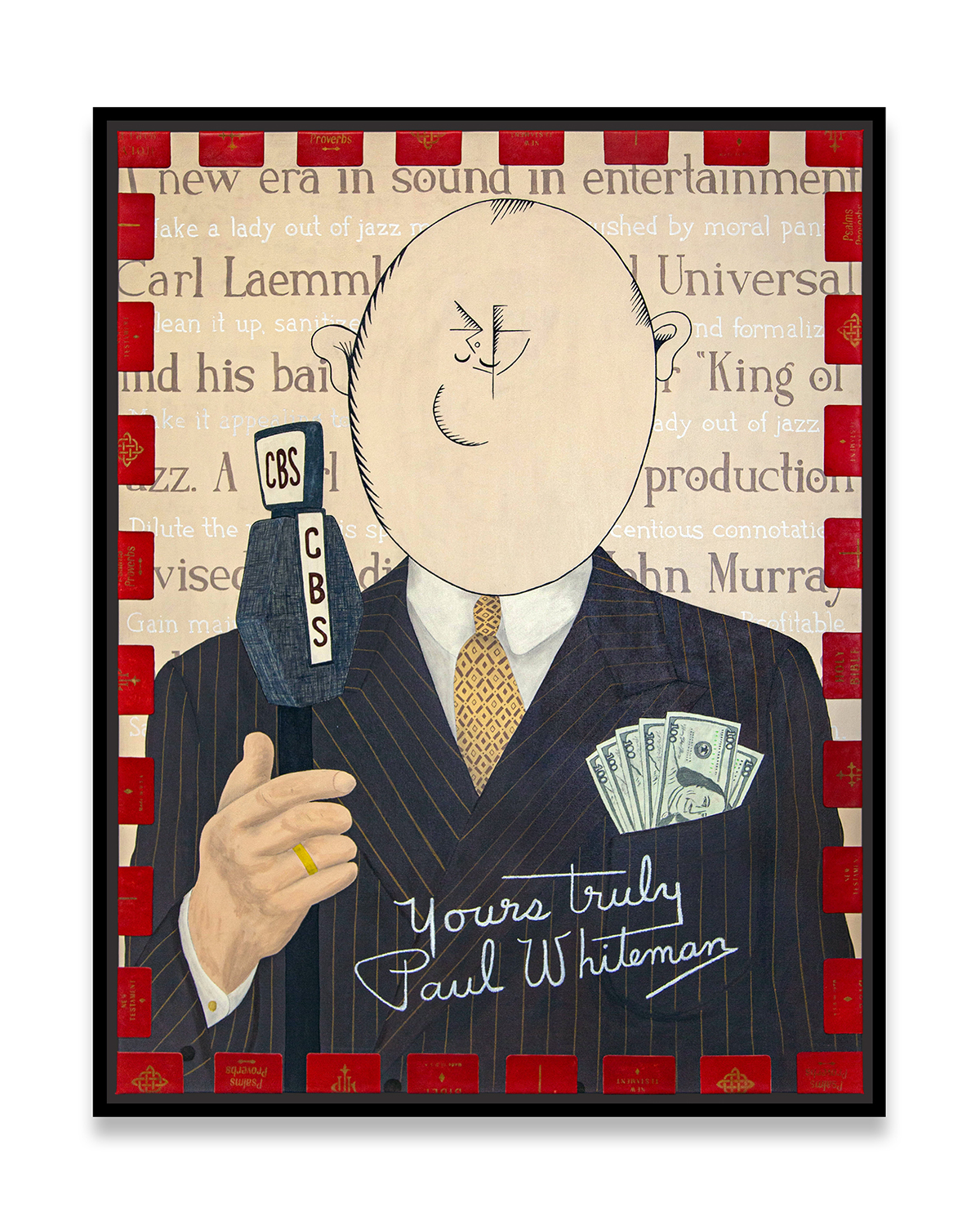
As Jazz became increasingly profitable for radio stations and record labels, the industry often favored White performers who were seen as more marketable to mainstream audiences. Paul Whiteman became one of the most visible figures of this shift, promoted as the “King of Jazz” while performing a polished, orchestral style that made the music more acceptable to White middle-class audiences.

View Product →
Beauty From Ashes by Kenneth Jordan

Beauty From Ashes

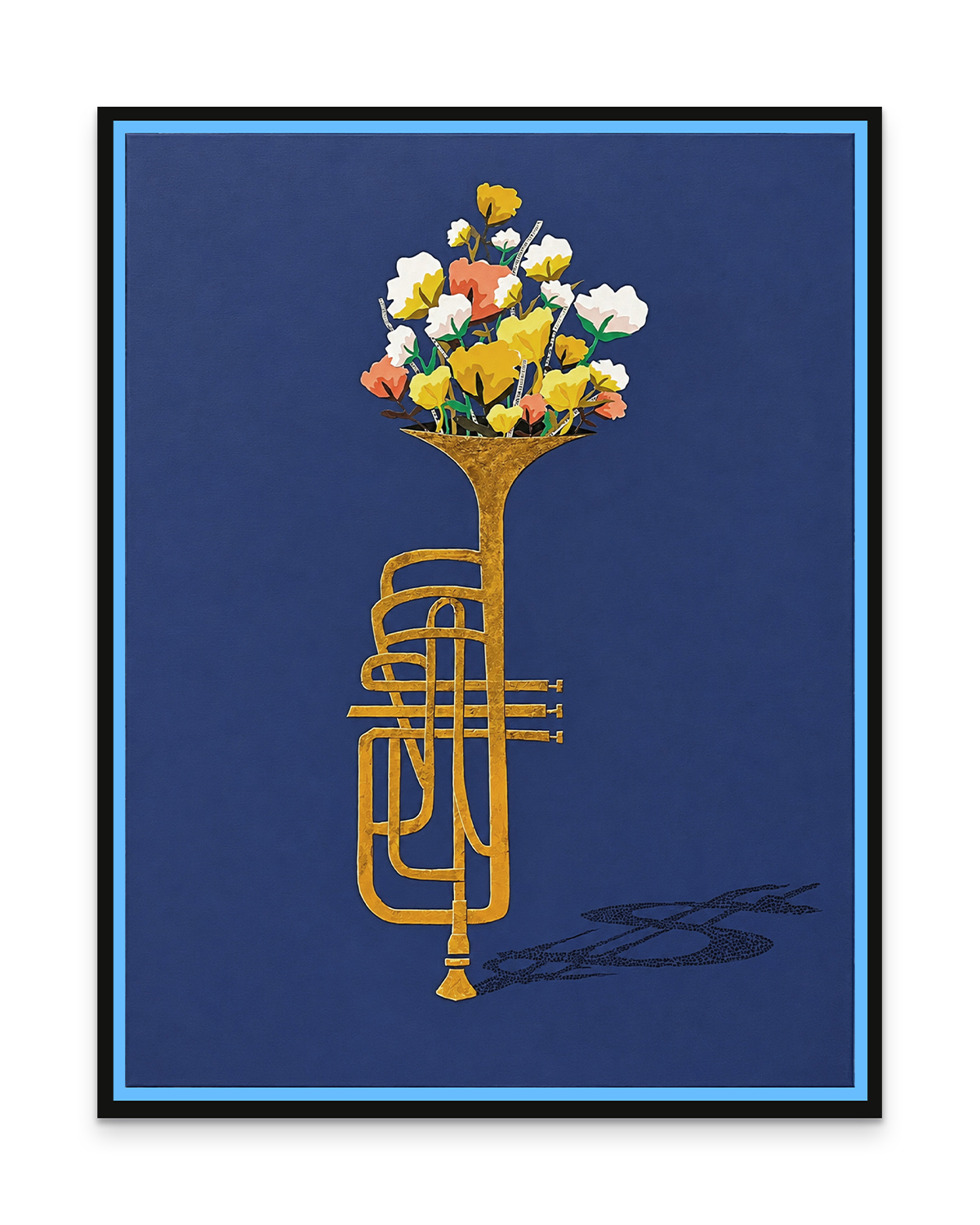
The collaborative painting with Chez Rhonel explores how beauty, tragedy, and capitalism can coexist. The trumpet, casting a shadow in the shape of a dollar bill, speaks to how jazz and Black creativity more broadly have been shaped, exploited, and reshaped by economic forces. Yet, despite the weight of that history, jazz has given the world something undeniably beautiful. Rhonel’s Le Coton flowers became the perfect medium to express this duality, transforming a symbol tied to the tragedy of slavery into something vibrant and beautiful, reflecting the capacity to reclaim and redefine what history has left behind.

View Product →
See Where This Takes Us by Kenneth Jordan

See Where This Takes Us

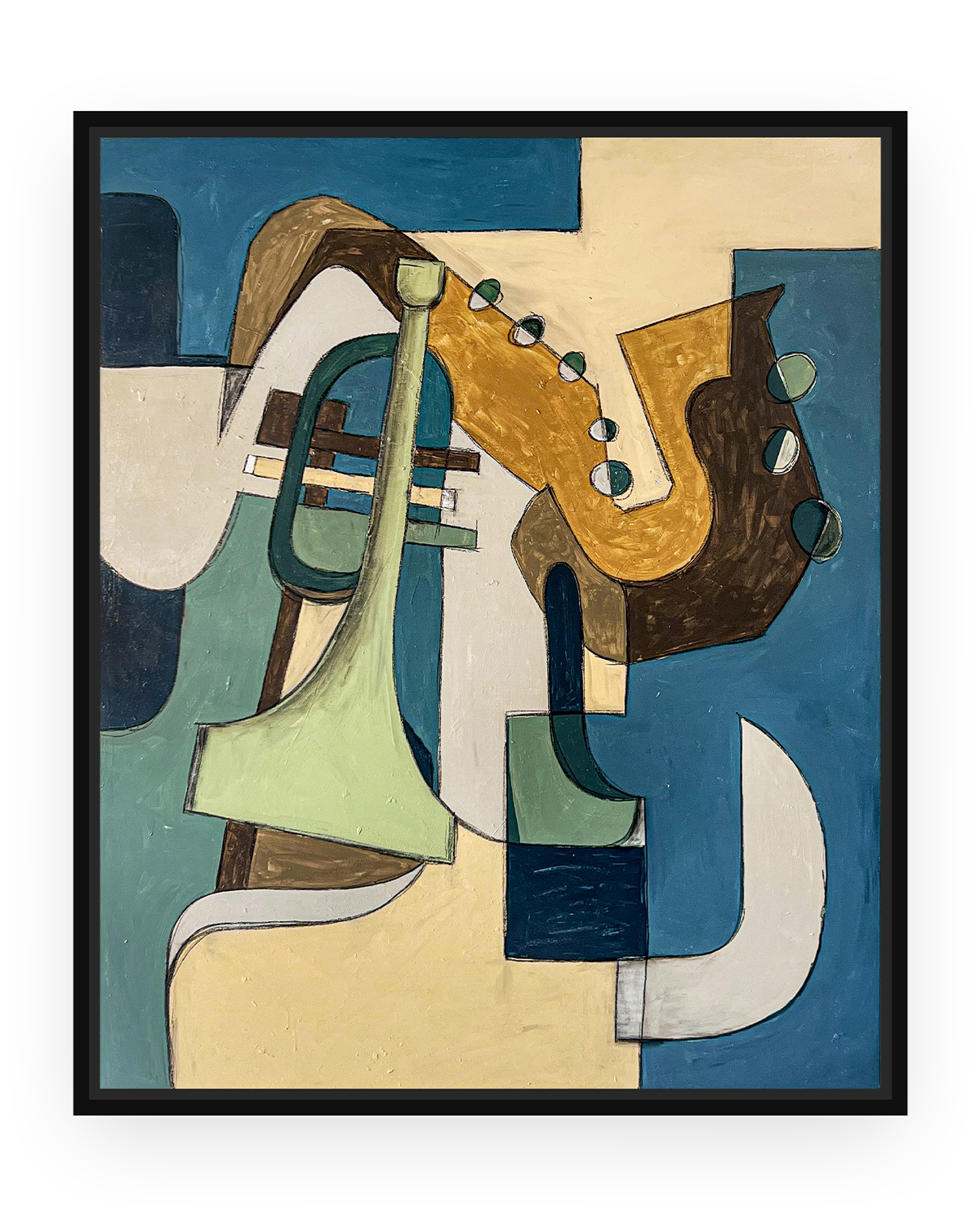
Jazz is a conversation between sounds that don’t always seem to belong together. In See Where This Takes Us, intersecting shapes and contrasting colors reflect the complexity of a genre built on unexpected combinations. The title speaks to the spirit of improvisation at the heart of jazz, where musicians let go of a predetermined destination and trust the process. A single note can change the direction of a song, transforming seemingly disconnected elements into something entirely new.

View Product →

Live at Axis Gallery

To close the exhibition, Sacramento jazz collective SSRI filled the room with the very music that inspired the work, with a live performance of “Ro Sham Bo.”